Abstract Geometric Floral Pattern for Modern Design
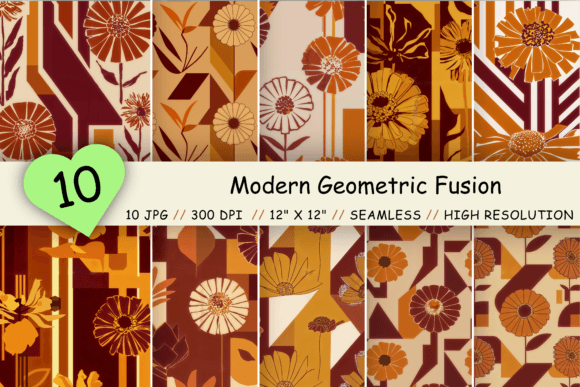
The intersection of rigid structure and organic flow creates a visual tension that is impossible to ignore. This is the core appeal of an abstract geometric floral pattern. It takes the familiar, comforting shape of a summer flower and reimagines it through the lens of mathematical precision. The result is a design language that feels both contemporary and timeless, bridging the gap between nature's chaos and human-made order.
When you encounter a seamless vector file featuring stylized summer flowers rendered in geometric forms, you are looking at more than just a decorative background. You are holding a versatile asset capable of defining a brand identity, setting the mood for a digital space, or adding texture to a physical product. The beauty lies in its adaptability; the same motif can whisper elegance on a wedding invitation or shout energy on a pair of swimwear shorts.
Understanding the Visual Language
What exactly makes this style so compelling? Traditional botanical illustrations often strive for photorealism, capturing every vein and petal nuance. In contrast, abstract geometric designs deconstruct these elements into their fundamental shapes: triangles, circles, hexagons, and sharp lines. By simplifying the flower into these components, the design becomes scalable without losing its impact.
This approach allows the pattern to function as a subtle texture or a bold statement depending on how it is applied. The "summer-style" aspect brings a specific color palette and feeling to the forefront. Think of warm yellows, vibrant teals, soft corals, and crisp whites. These colors evoke the lightness of the season while the geometric construction provides a modern edge that prevents the design from feeling dated or overly rustic.
The seamless nature of the pattern is crucial. It means the design repeats perfectly, creating an infinite field of imagery. This technical feature transforms a single image into a surface material, ready to be draped over fabric, wrapped around a cylinder, or tiled across a website background.
Creative Applications Across Industries
The utility of this pattern extends far beyond simple decoration. For textile designers, the potential is vast. Imagine a collection of t-shirts where the geometric flowers serve as the primary print, offering a fresh take on casual wear. The same file could be adapted for high-end swimwear, where the sharp lines complement the sleek cuts of modern bikinis and trunks.
- Fashion & Apparel: Use the pattern for all-over prints on dresses, scarves, or accessories. The geometric breakdown ensures the design looks good even when printed on stretchy fabrics.
- Home Decor: Wallpaper is a natural fit. A large-scale version of this pattern can transform a bedroom or living room into a cohesive, stylish space without overwhelming the eye.
- Print Materials: From business cards to brochures, this pattern adds a layer of sophistication. It works particularly well for brands in the creative industry, lifestyle sectors, or wellness spaces.
- Packaging: Wrapping paper designed with this motif elevates the unboxing experience. It suggests care and attention to detail, making it perfect for gift shops or subscription boxes.
Adapting for Digital and Physical Contexts
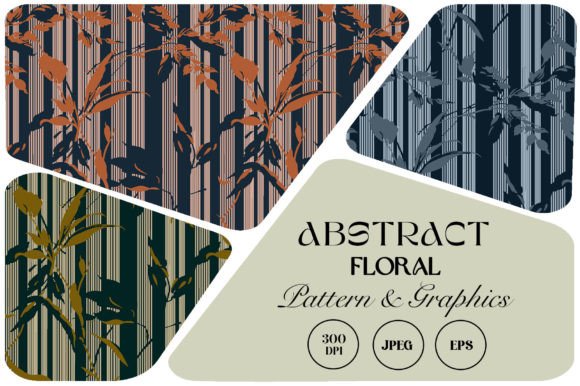
Creators and marketers must consider the medium when applying these assets. A pattern that looks stunning on a screen may require adjustments for print production. This is why having access to high-resolution files, such as 300dpi JPEG previews alongside editable EPS vectors, is essential. The EPS format allows you to manipulate individual elements, scale them up or down, and recolor them to match your specific brand guidelines without any loss of quality.
For bloggers and content creators, these patterns are excellent for enhancing visual storytelling. Instead of using generic stock photos, overlaying a semi-transparent version of this abstract floral design can create unique headers, dividers, or background textures for blog posts. It helps establish a consistent visual identity that readers will recognize instantly.
Small business owners selling handmade goods can leverage this versatility. If you sell stationery, printing this pattern on envelopes or notepads creates a cohesive product line. If you are a jewelry maker, the geometric flowers might inspire the metalwork itself, translating the 2D pattern into 3D structures.
Strategic Implementation Tips
To ensure your results remain clear and effective, focus on balance. Do not let the pattern dominate every inch of your project unless that is the specific intent. Sometimes, using the pattern as a border or a footer can frame your content beautifully without distracting from the message.
Consistency is key. If you choose this pattern for your packaging, try to echo it in your social media graphics or website headers. This repetition builds a stronger brand presence. However, avoid keyword stuffing or forcing the theme where it doesn't belong. Let the design speak for itself through its application rather than its description.
When working with freelancers or agencies, provide clear examples of how you envision the pattern being used. Show them the EPS file and explain if you need the colors adjusted for CMYK printing or RGB screens. Clear communication ensures the final output matches your vision.
Exploring Variations and Styles
The strength of a seamless vector pattern is its potential for variation. While the base design features stylized summer flowers, the possibilities for interpretation are endless. You can experiment with different scales. A tiny, intricate version creates a textured background, while a massive, simplified version acts as a graphic element.
Color manipulation is another powerful tool. Changing the palette from summer tones to deep winter hues or monochromatic shades can completely alter the mood of the design. This flexibility makes it suitable for year-round campaigns or seasonal collections. Educators can use these variations to teach students about color theory and composition, demonstrating how changing one variable affects the whole.
Hobbyists and DIY enthusiasts should also explore the tactile possibilities. Using the pattern as a guide for hand-painting, embroidery, or even quilting can add a personal touch to home projects. The geometric nature of the lines makes it easier to follow than complex organic shapes, making it accessible for those with varying skill levels.
Building a Cohesive Creative Workflow
For entrepreneurs and publishers, integrating these assets into a broader workflow is vital. Keep your files organized. Store the original EPS files separately from the exported JPEGs to maintain editability. Create a library of variations by saving different colorways and scale versions. This preparation saves time when new projects arise.
Remember that the goal is to enhance your work, not clutter it. Use the pattern to solve a design problem, such as hiding a seam, filling negative space, or drawing attention to a call-to-action button. When the pattern serves a functional purpose, it becomes more than just pretty; it becomes a strategic tool.
As you continue to explore your own creativity, keep an eye out for new releases and updates. Following shops that specialize in seamless patterns, prints, and illustrations ensures you have access to fresh ideas regularly. New collections often bring unexpected combinations of shapes and colors that can spark inspiration for your next big project.
Whether you are designing a full fashion line, updating your company's branding, or simply looking for a beautiful way to wrap a gift, the abstract geometric floral pattern offers a reliable foundation. Its blend of structure and nature provides a canvas upon which your unique vision can thrive. By understanding its properties and applications, you can unlock a world of creative possibilities that elevate your work from ordinary to exceptional.
Stay curious, stay organized, and let the geometry guide your next creation. The right pattern can turn a simple idea into a standout reality, proving that sometimes, the most beautiful things are built on a foundation of precise lines and bold shapes.