Discover the Charm of Vintage Flower Patterns
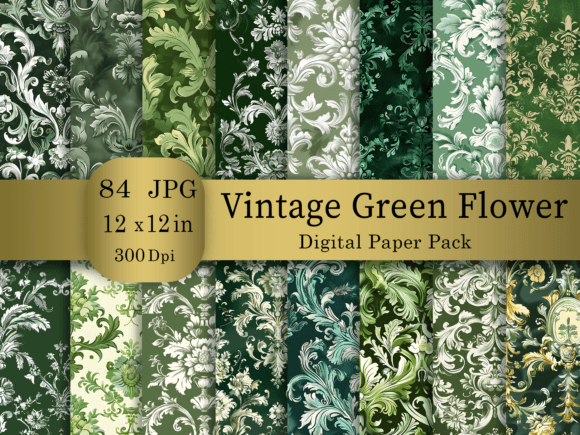
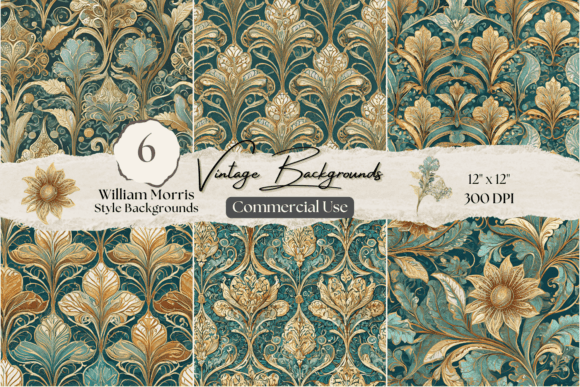
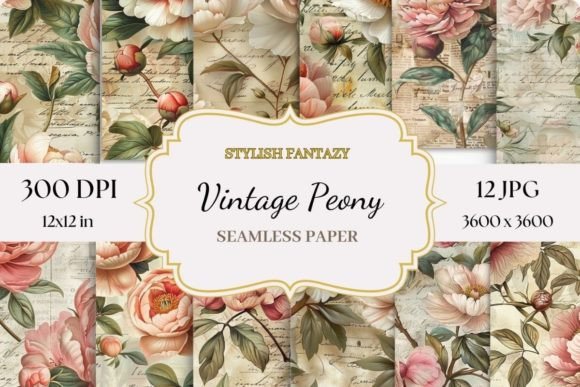
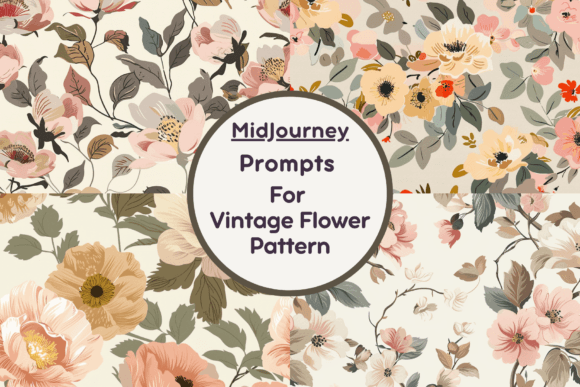
A vintage flower pattern is more than just a decorative print; it is a visual language that speaks of history, romance, and enduring beauty. When you encounter these designs, you are often transported to a bygone era where craftsmanship was paramount and nature was celebrated in every corner of daily life. These patterns typically feature intricate arrangements of delicate florals, such as roses, daisies, or peonies, rendered in soft, muted colors like pastels or earthy tones. The style often incorporates graceful, swirling lines and ornate details, reminiscent of classic textiles and wallpapers from past eras.
For creators, entrepreneurs, and hobbyists alike, understanding this aesthetic opens up a world of creative possibilities. Whether you are designing a website, redecorating your home, or launching a new product line, incorporating these timeless motifs can instantly elevate the perceived value of your work. It adds a layer of sophistication and warmth that modern, minimalist designs sometimes lack.
What Makes This Design Style So Appealing?
The primary allure of a vintage flower pattern lies in its ability to evoke nostalgia. In our fast-paced digital world, there is a growing desire for things that feel authentic and hand-crafted. These patterns offer a sense of comfort and stability. Unlike sharp, geometric modernism, the curves and organic shapes found in vintage florals feel welcoming and approachable.
From a design perspective, the appeal comes from the balance between complexity and harmony. A well-executed vintage design does not look cluttered; instead, it creates a rich tapestry that draws the eye in. The use of specific color palettes plays a crucial role here. Soft creams, dusty pinks, sage greens, and muted blues create a calming effect, while deeper burgundies or navy accents add depth and drama. This versatility allows the style to fit into various contexts, from a cozy bedroom to a high-end boutique storefront.
- Nostalgic Connection: It triggers positive memories of grandmother's house or old storybooks.
- Elegant Aesthetic: The ornate details suggest quality and attention to detail.
- Nature-Inspired: It brings the outdoors inside, fostering a connection to natural elements.
- Timeless Quality: Trends come and go, but the beauty of classic florals remains relevant across decades.
Practical Applications in Personal and Professional Life
One of the most common questions beginners ask is how to actually use a vintage flower pattern without making their project look outdated or tacky. The key is context. These patterns are incredibly versatile and can be adapted for personal hobbies, professional branding, and commercial products.
In the realm of interior design, wallpaper and fabric are the traditional homes of this style. However, modern applications extend far beyond curtains. You might see vintage floral motifs on accent walls, throw pillows, or even in digital art used for tablet backgrounds. For small business owners, especially those in the lifestyle, fashion, or food industries, using these patterns in branding materials can communicate a message of tradition and care. Imagine a bakery using a vintage floral logo on their packaging; it suggests homemade quality and artisanal ingredients.
Digital creators and bloggers also find immense value in this aesthetic. Using vintage flowers as headers, dividers, or background textures in blog posts can break up text and make reading more enjoyable. It adds a human touch to the screen. Furthermore, educators can use these images to teach children about botany or art history, showing them how different cultures have depicted nature over time.
For entrepreneurs launching clothing lines, these patterns are a staple. From summer dresses to winter scarves, the adaptability of the design allows for year-round usage. The secret to success here is mixing scales. A large-scale floral print makes a bold statement on a dress, while a tiny, repetitive version works beautifully for lining a shirt or creating a subtle texture on a notebook cover.
Choosing the Right Pattern for Your Needs
Before diving into a project, it is essential to consider what kind of vintage flower pattern aligns with your goals. Not all vintage styles are created equal. Some lean towards the Victorian era with heavy, dark, and dense imagery, while others reflect the lighter, airier feel of the 1950s or the Art Nouveau movement of the early 20th century.
If you are working on a professional brand identity, ensure the colors match your existing palette. A vintage floral pattern with bright neon accents might clash with a brand that wants to appear trustworthy and established. Instead, opt for the classic muted tones mentioned earlier. These earthy and pastel shades are easier to integrate into a cohesive visual system.
Another important consideration is the density of the pattern. Dense patterns with many overlapping leaves and blooms can be overwhelming if used as a full background for text-heavy content. In such cases, a lighter, more spaced-out arrangement is preferable. Conversely, if you want the pattern to be the focal point, such as on a piece of furniture or a statement wall, a denser design will provide the necessary visual weight.
- Check the Resolution: Always ensure the image is high-resolution. Vintage patterns often rely on fine lines and details; a low-quality scan will blur these features and ruin the elegant look.
- Consider the Medium: How will the pattern be displayed? Fabric requires a repeatable seamless tile, while a digital header needs a specific aspect ratio.
- Balance with Simplicity: If the pattern is busy, keep the surrounding elements simple. Let the flowers shine without competing with too much other visual noise.
- Authenticity Matters: Look for patterns that respect the original artistic integrity rather than cheap knock-offs that distort the proportions of the flowers.
Why This Trend Endures
The longevity of the vintage flower pattern is no accident. It taps into a fundamental human appreciation for nature and beauty. As we move further into an age of artificial intelligence and synthetic environments, there is a counter-movement seeking out the organic and the handmade. This pattern represents a bridge between the past and the future, offering a sense of continuity.
For the casual user, it is simply a way to express personal taste. For the marketer, it is a tool to build emotional connections with customers. By using a design that feels familiar yet refined, brands can signal that they value heritage and quality. Whether you are sewing a quilt, designing a wedding invitation, or updating a corporate website, the right vintage flower pattern can transform a mundane object into something special.
Ultimately, the goal is to create something that feels good to look at and use. When done correctly, a vintage flower pattern does not just decorate a space; it sets a mood. It invites relaxation, creativity, and a moment of pause to appreciate the intricate details of the natural world captured in ink or thread. As you explore this style, remember that there are no strict rules, only guidelines to help you achieve a harmonious and beautiful result.